MENU

Category: Blog

Your blog category

Family Tours in Azerbaijan That Actually Work

Family Tours in Azerbaijan That Actually Work

Traveling with kids changes everything. A two-hour scenic stop sounds lovely until someone is hungry, tired, or done with museums for the day. That is exactly why family tours in Azerbaijan work best when they are planned around real family pacing, not a rushed checklist of attractions.

Azerbaijan is a strong choice for families because it gives you variety without forcing long, complicated travel days every single day. You can mix Baku’s easy city comfort with mud volcanoes, mountain scenery, lakes, light walking, cable cars, village culture, and winter activities. For parents visiting from abroad, the biggest advantage is simple: with the right local planning, the trip feels manageable.

Why family tours in Azerbaijan suit different ages

Not every destination works equally well for toddlers, school-age kids, teens, and grandparents. Azerbaijan has an advantage here because the experience can be adjusted without losing the highlights. If your children enjoy open space and movement, places like Gabala, Guba, and Qusar tend to work well. If you want shorter transfers and more comfort, Baku and Absheron are easier bases.

Another reason families do well here is the balance between culture and outdoor time. Gobustan can be interesting for older children who enjoy history and unusual landscapes, but pairing it with a relaxed coastal drive or a shorter city day often makes more sense than building an entire trip around monuments. The best itineraries do not try to impress on paper. They try to keep everyone in a good mood.

That trade-off matters. A packed route that covers Baku, Shamakhi, Sheki, Gabala, Guba, and Qusar in a few days may sound efficient, but for many families it turns into too much time in the car. A private plan usually works better because departure times, stop lengths, and overnight stays can be adjusted around your group.

What makes a family-friendly itinerary actually good

A family trip is not only about choosing the right places. It is about managing energy across the whole day. Good planning usually starts with a realistic question: how much moving around will your children enjoy before the trip stops feeling fun?

For younger kids, shorter day trips from Baku are often the safest choice. Absheron, Gobustan, and a lighter city sightseeing day can give you a good introduction without too much road time. For families with older children or teens, adding Gabala or Sheki becomes more attractive because the scenery changes and the activities feel broader.

Timing matters too. Families often need more breaks than couples or small adult groups. That does not mean seeing less. It means leaving room for snack stops, bathroom breaks, photos, and occasional changes of plan. A good local operator understands that a smooth day is often more valuable than squeezing in one extra stop.

Private tours are usually the better fit

Shared group tours can be fine for adults traveling light, but families usually benefit more from private transport and flexible timing. If a child needs rest, if you want to spend longer at a lake, or if one stop clearly is not landing well with the group, a private setup makes those adjustments possible.

This is one of the biggest differences between a generic booking platform and a local operator that plans hands-on. Families often need support that goes beyond sightseeing – airport pickups, practical advice on hotel location, help choosing between destinations, and quick answers during the trip. That support reduces stress before you even arrive.

Best destinations for family tours in Azerbaijan

Baku is the easiest starting point. It has the most hotel options, straightforward transfers, modern conveniences, and enough variety for a family to stay occupied without feeling trapped in a busy schedule. The Old City, Baku Boulevard, the Flame Towers viewpoints, and nearby attractions on the Absheron Peninsula can all be shaped into easy half-day or full-day outings.

Gobustan is a popular add-on because it feels different from a city day. The rock art and unusual landscapes can hold children’s attention better than a traditional museum, especially when combined with mud volcanoes. That said, younger kids may enjoy the open terrain more than the historical details, so expectations should match age.

Gabala is one of the strongest choices for families who want nature without giving up comfort. It works well for travelers who want mountain views, green space, family-friendly resort areas, and activities that are easy to enjoy without intense physical effort. This is often a good option for multi-day trips because the pace can be more relaxed.

Sheki is better for families who like culture, architecture, and a slower atmosphere. It is charming, but the road journey means it suits families who are comfortable with longer transfers or who plan to stay overnight. For some groups, combining Sheki with Gabala creates a nice balance. For others, especially with very young kids, staying closer to Baku may simply be easier.

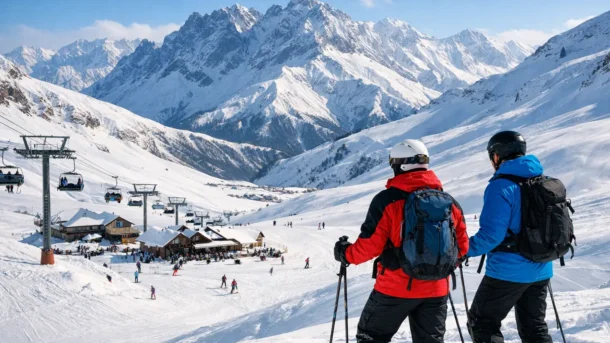
Guba and Qusar are great for families looking for mountain scenery and cooler weather. In winter, skiing areas can be a major draw. In warmer months, the appeal is the drive, the fresh air, and the chance to spend time outdoors. These destinations often work best for families with older children, active parents, or travelers planning several days in Azerbaijan rather than a short city break.

How many days do you need?

It depends on whether your trip is mostly city-based or whether you want to see the mountains as well.

If you have three to four days, Baku plus one or two day tours is the most realistic approach. You can enjoy the capital, add Gobustan and Absheron, and still keep the trip comfortable. This works especially well for first-time visitors who want an easy introduction.

If you have five to seven days, the options improve a lot. You can combine Baku with Gabala, Sheki, or Guba and create a more rounded family vacation. This is often the sweet spot for visitors arriving from abroad because it allows enough time to travel without making every day a transfer day.

If you have more than a week, a custom private itinerary becomes especially valuable. At that point, route planning matters. You want to avoid backtracking, choose overnight stops carefully, and build in easier days between longer drives.

Seasonal planning makes a real difference

Spring and early fall are often the easiest seasons for families. The weather is generally more comfortable for city walks and road trips, and outdoor stops are more enjoyable. Summer can still work well, especially in mountain regions where temperatures feel fresher, but Baku can be hot for long daytime touring.

Winter is appealing if your family enjoys snow and mountain resorts. If skiing or winter scenery is part of the goal, Qusar becomes more attractive. If your family prefers mild sightseeing and shorter outdoor visits, a winter city-based trip around Baku may be simpler.

Common mistakes families make when planning Azerbaijan

The most common mistake is trying to see too much too fast. On a map, some destinations look close enough to combine easily. In practice, road time, meal stops, and family pacing change the experience. A trip that looks efficient online can feel tiring on the ground.

Another mistake is choosing based only on famous names rather than travel style. Sheki is beautiful, but not every family wants a longer cultural route. Gabala may be the better choice if your children want space to move around. Gobustan is memorable, but it may work better as part of a mixed day than as the main event.

Families also sometimes underestimate how useful local communication is. When you are traveling internationally, small details matter – pickup timing, rest stops, child-friendly pacing, hotel area advice, and quick answers if plans change. That is where a responsive local team makes a visible difference.

For many visitors, Tours in Azerbaijan is a practical fit because private routes can be customized around your family instead of forcing your family into a fixed route. That flexibility matters more than people expect.

Choosing the right family tour in Azerbaijan

The best choice usually comes down to three things: your children’s ages, your available days, and how much road time your family genuinely tolerates. If comfort and simplicity matter most, stay centered around Baku with a few carefully chosen day trips. If you want a fuller vacation with mountains and overnight stays, build a private multi-day route that leaves room to breathe.

There is no prize for the busiest itinerary. Families remember the trip more fondly when the days feel easy, the logistics feel handled, and everyone gets to enjoy the country at a pace that suits them. Azerbaijan gives you plenty of options. The smart move is choosing the version that fits your family, not someone else’s highlight reel.

If you are planning for kids, parents, and maybe even grandparents all in one trip, aim for comfort first and sightseeing second. The right route will still show you a lot, but it will also leave enough space for the part that matters most – enjoying the trip together.

Peak Climbing Azerbaijan: What to Expect

Peak Climbing Azerbaijan: What to Expect

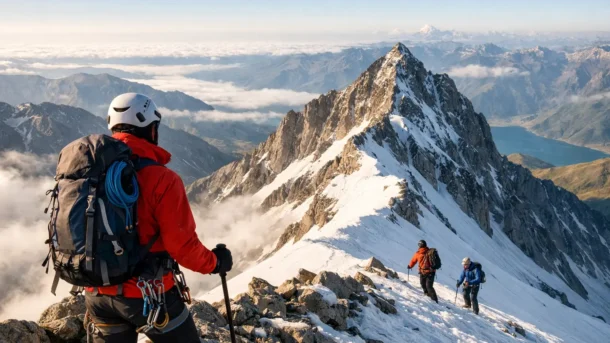
Azerbaijan surprises many travelers the moment they leave Baku and head north. The landscapes change fast – dry hills give way to deep valleys, forested slopes, and high mountain terrain that feels far removed from the city. For travelers considering peak climbing Azerbaijan, that contrast is part of the appeal. You can combine culture, comfort, and serious outdoor adventure in one trip, without needing to plan every detail on your own.

Peak climbing here is not only about reaching a summit. It is also about access to wild scenery, local mountain villages, and routes that still feel less crowded than better-known climbing destinations. That makes Azerbaijan especially attractive for travelers who want a guided, organized experience with real mountain character.

Why peak climbing Azerbaijan stands out

The biggest advantage is variety. Azerbaijan includes sections of the Greater Caucasus, and this gives climbers access to high peaks, changing terrain, and different levels of difficulty. Some routes are suitable for active travelers with hiking experience, while others are better for strong trekkers or mountaineers who are comfortable with steep ascents, loose ground, and long summit days.

Another benefit is how well peak climbing can fit into a broader trip. Many visitors do not want an expedition-style vacation from start to finish. They want a few days in Baku, perhaps a cultural stop in Sheki or Gabala, and then a well-planned mountain experience. That combination works very well in Azerbaijan because travel distances are manageable and private planning makes the schedule easier.

There is also the question of crowd levels. In some mountain regions, popular routes can feel busy, commercial, and rushed. In Azerbaijan, the experience is often quieter and more personal. You spend more time focused on the landscape and the climb itself, and less time competing for space on the trail.

Which peaks are popular for climbing?

Several mountain areas attract climbers, especially in the north and northwest of the country. Shahdag is one of the best-known names and often comes up first when travelers ask about mountain adventure in Azerbaijan. The wider Shahdag region offers dramatic alpine scenery and is suitable for both hiking and more demanding summit-focused outings, depending on the route and season.

Tufandag is another name travelers recognize, particularly because the Gabala area is already popular for nature tourism. Some visitors combine hiking in this region with a broader countryside itinerary. The terrain can be rewarding, but the right route matters. Not every mountain outing in the area is the same, and there is a big difference between a scenic hike and a true peak ascent.

Bazarduzu, Azerbaijan’s highest mountain, holds special appeal for experienced climbers who want a more serious objective. This is not the casual option. Reaching higher peaks usually requires stronger fitness, more time, better weather timing, and a guide who knows the terrain and logistics. For the right traveler, though, it is one of the most memorable mountain experiences in the country.

What matters most is matching the peak to your condition, available time, and comfort level. Some travelers choose a mountain because it is the highest. Others are happier with a route that offers great views and challenge without pushing into technical difficulty. That second choice is often the better one for visitors on a short trip.

Best time for peak climbing in Azerbaijan

Summer is usually the most practical season for peak climbing in Azerbaijan, especially from late spring into early fall. During this period, access is easier, mountain roads are more reliable, and weather conditions are generally more favorable for trekking and summit attempts.

That said, mountain weather is never fully predictable. A warm day in the lowlands does not guarantee comfortable conditions at altitude. Wind, fog, rain, and rapid temperature drops are all possible, even in the climbing season. This is one reason guided planning matters. A route may look straightforward on paper, but conditions can change the pace and safety of the day.

Early season and late season climbs can be beautiful, with fewer people and cleaner air, but they may also involve snow patches, muddy trails, or colder overnight conditions. Winter changes the picture entirely. Some mountain areas remain attractive for snow activities, but true peak climbing becomes much more specialized and dependent on equipment and experience.

How difficult is it?

This depends completely on the peak and route. Some climbs in Azerbaijan are demanding hikes rather than technical mountaineering. Others move closer to expedition-style trekking, where endurance, acclimatization, and careful pacing become important.

A common mistake is assuming that if a route does not require ropes, it must be easy. In reality, long ascents at altitude can be tiring even for travelers who are active at home. Loose rock, exposed ridgelines, steep gradients, and weather shifts all add difficulty. A climb that seems moderate at the start can feel very different after several hours of gain.

For most visitors, the best approach is to be honest about fitness. If you hike regularly, manage long days on your feet, and recover well after climbs, you likely have several good options. If your experience is limited to casual walking or short scenic trails, starting with a less demanding mountain day is usually smarter. You will enjoy it more and stay safer.

Planning and logistics matter more than many travelers expect

Peak climbing is where local support makes a real difference. Transportation to trailheads can be complicated, especially for travelers unfamiliar with regional roads, mountain villages, and permit-related details in certain areas. Start times are often early, weather windows matter, and not every route is clearly marked in a way that suits international visitors.

A guided setup also helps with the practical side that many travelers underestimate: what to pack, how much water to carry, where to stay before and after the climb, and whether the route works as a day trip or needs an overnight stop. These details shape the experience just as much as the mountain itself.

For private travelers, customization is especially useful. Some want one focused summit day. Others want a broader mountain itinerary with transfers, hotel coordination, and easier activity days around the main climb. That flexibility is often the difference between a stressful plan and a smooth one.

What to bring for a successful climb

Packing for peak climbing in Azerbaijan should be practical, not excessive. Good hiking boots with grip are essential. Trail shoes may work on certain routes, but they are not ideal for loose or steep mountain ground. Layered clothing matters because temperatures can shift quickly between morning, midday, and high elevation.

A waterproof outer layer, sun protection, snacks, gloves for cold starts, and a daypack with enough water are standard basics. Trekking poles help many climbers on descents, especially when the trail is uneven. If the route is more demanding, your guide may recommend extra gear depending on the season and altitude.

It is better to ask specific questions before the trip than to guess. Travelers coming from abroad often pack for the city and then realize the mountains require a completely different setup. A quick gear check before your climbing day can prevent small mistakes from turning into major discomfort.

Who is peak climbing Azerbaijan best for?

It works especially well for adventure-minded travelers who want more than sightseeing but do not want the burden of organizing a mountain trip from scratch. Couples, private groups, and experienced hikers often find Azerbaijan appealing because the trip can be tailored around comfort level, time frame, and broader travel plans.

Families usually need a more selective approach. True peak climbing is not suitable for every child, but mountain nature experiences, shorter hikes, and scenic highland outings can still be an excellent fit. The key is choosing the right level of challenge instead of forcing a summit plan that does not match the group.

Solo travelers can also benefit from guided support, especially if they are visiting the country for the first time. Local route knowledge, language support, and transport coordination remove a lot of uncertainty and help the day run on time.

A better way to think about the experience

The best mountain trips are not always the ones with the highest summit or the toughest route. Often, they are the trips where the logistics are handled well, the pace suits the traveler, and the guide knows when to push forward and when to adjust. That is particularly true in Azerbaijan, where mountain conditions and travel planning can vary by region.

At Tours in Azerbaijan, we see many travelers arrive with broad interest in mountains but not much clarity on which climb actually suits them. Once the route, season, and support are matched properly, the experience becomes much more enjoyable. Instead of worrying about transport, timing, and trail decisions, you can focus on the climb and the scenery around you.

If Azerbaijan’s mountain side is calling you, the best first step is not choosing the hardest peak. It is choosing the right one for your trip, your energy, and the kind of adventure you want to remember long after you head home.

Paragliding in Azerbaijan: Where to Fly

Paragliding in Azerbaijan: Where to Fly

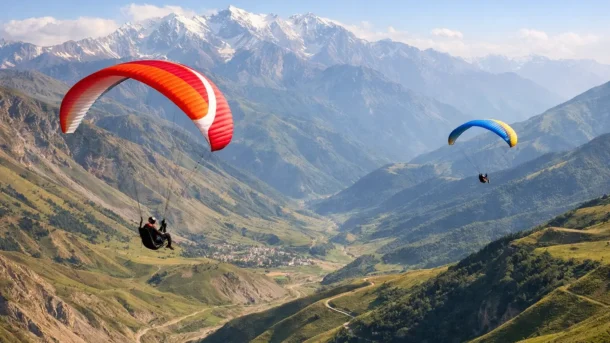
A calm launch site, clear mountain air, and a pilot who knows exactly when the wind is right – that is what makes paragliding in Azerbaijan memorable. For many travelers, this is not just another activity to add to an itinerary. It is one of the few ways to see the country’s landscapes all at once, from green valleys and ridgelines to villages, forests, and wide open skies.

If you are visiting Azerbaijan and want an adventure that feels exciting without being overly complicated to arrange, paragliding is a strong choice. The key is choosing the right location, the right season, and a team that handles the practical side well. That matters even more if you are booking from abroad and want clear communication, safe coordination, and realistic expectations before you arrive.

Why paragliding in Azerbaijan stands out

Azerbaijan works especially well for paragliding because the country packs a lot of terrain variety into relatively short travel distances. In one trip, you can move from Baku to mountain regions where takeoff points offer broad views and favorable flying conditions. That means paragliding can fit into a wider travel plan instead of becoming a separate expedition.

For visitors, the appeal is simple. You get a real outdoor experience, but you do not need to be an expert athlete to enjoy it. Most international travelers choose tandem flights, which means you fly with a trained pilot and focus on the experience rather than the technical side. It is accessible, visually impressive, and easier to combine with sightseeing than many other adventure activities.

There is also a practical advantage. Azerbaijan is still less crowded than many better-known adventure destinations, so the experience can feel more personal. You are not standing in long lines or dealing with overly commercial launch sites. What you get instead is a more local, more relaxed setup – though that also means planning with a dependable operator matters.

Best places for paragliding in Azerbaijan

The best location depends on what kind of trip you are building. Some travelers want a flight close to a mountain resort area, while others want to combine it with hiking, a private road trip, or a few nights in the countryside.

Gabala

Gabala is one of the best-known regions for outdoor activities in Azerbaijan, and for good reason. The area offers mountain scenery, greener landscapes, and easier pairing with other attractions. For many visitors, a paragliding flight here feels like the right balance between adventure and comfort.

Gabala is a smart option if you want more than a single activity day. You can combine paragliding with nature stops, family-friendly attractions, resort time, or a private multi-day route. It is especially appealing for couples and small groups who want an active but organized trip.

Shamakhi and nearby mountain zones

Shamakhi is another area that can work well for paragliding, particularly for travelers heading west from Baku. The region’s elevation changes and open landscapes make it attractive for adventure experiences, though flying conditions are always day-specific.

This area can suit travelers who want a shorter mountain escape or a flexible road itinerary. The scenery is different from Gabala – often more open, rolling, and dry in parts – so the experience depends on the season and exact launch point.

Other seasonal flying areas

Paragliding in Azerbaijan is not limited to one fixed destination. Depending on conditions, pilot availability, and the time of year, flights may be arranged in different mountainous areas. This is where expectations should stay realistic. Not every place is flyable every day, and a trustworthy local team will tell you that clearly rather than promising perfect conditions in advance.

That is actually a good sign. In paragliding, weather is not a minor detail. It decides whether a flight should happen at all.

What to expect from a tandem flight

For first-time flyers, the process is usually much simpler than expected. After arriving at the launch area, you will receive a basic safety briefing. Your pilot will explain the takeoff, body position, and what to do during landing. You do not need previous experience, and in most cases you only need to follow instructions carefully and stay calm during takeoff.

The takeoff itself is often the part people think about most, but it is usually brief. You walk or jog forward as directed, the wing lifts, and within moments you are airborne. After that, the flight often feels smoother and quieter than many first-timers imagine.

The experience varies depending on wind, altitude, and route. Some flights are more scenic and gentle, while others may include more dynamic turns if conditions allow and if you are comfortable with that. If you prefer a calm ride, say so. Good pilots adjust the experience to the passenger, not the other way around.

Is it safe?

This is the right question to ask, especially if you are booking before arriving in the country. Paragliding is an adventure activity, so no honest company should present it as risk-free. What matters is risk management.

A safe experience depends on pilot qualifications, equipment condition, local weather judgment, and clear communication. The biggest green flag is an operator willing to cancel or delay when conditions are not suitable. If a team treats weather flexibility as a problem rather than a safety requirement, that is a reason to pause.

For travelers, it is worth asking practical questions before booking. Will the flight be tandem with an experienced pilot? Is transportation to the launch area arranged? What happens if wind conditions change? Can the activity be shifted to another time or another day? These are normal questions, and a reliable local operator should answer them directly.

The best time to go paragliding in Azerbaijan

The short answer is that it depends on the region and the weather on the day. Spring, summer, and early fall are often the most practical periods for travelers planning mountain activities. Conditions can be pleasant, roads are more accessible, and it is easier to build paragliding into a broader itinerary.

Spring usually brings greener views and comfortable temperatures, though weather can be less predictable. Summer offers more stable travel logistics, but some days can be hotter, especially outside higher elevation areas. Early fall is often very attractive because the temperatures are milder and the mountain scenery remains rewarding.

Winter is more limited for general travelers unless the flight is being arranged around specific local conditions. If your trip is centered on skiing or snow activities, paragliding may or may not fit depending on the weather window.

What to wear and bring

Clothing matters more than people expect because mountain weather can shift quickly. Wear comfortable sportswear or outdoor clothing, and choose closed-toe shoes with good grip. Even on warm days, it is wise to carry a light jacket because the launch point may be cooler than the city.

Sunglasses can help, but only if they fit securely. Loose accessories are not a good idea. Your phone or camera should also be handled carefully. In many cases, pilots can help with photos or video, but this should be confirmed in advance rather than assumed.

If you are prone to motion sensitivity, mention it ahead of time. A gentle scenic flight may still be perfectly manageable, but it is always better for the pilot to know.

How to plan it as part of your trip

For most visitors, paragliding works best as part of a private or semi-structured day rather than a stand-alone transfer-heavy booking. Mountain launch areas are not always simple to reach by public transportation, and timing matters. You may need flexibility for weather, road travel, and coordination with the pilot team.

That is why many travelers prefer arranging it through a local company that can combine transportation, scheduling, and destination planning. If you are already visiting regions like Gabala or Shamakhi, adding paragliding becomes much easier. It can sit alongside sightseeing, a resort stay, hiking, or a multi-day route without creating unnecessary stress.

At Tours in Azerbaijan, this is usually where local support makes the biggest difference – not just the activity itself, but the way it fits into the rest of the trip. For travelers coming from abroad, having one point of contact for planning, timing, and on-the-ground help removes a lot of uncertainty.

Who should try it and who may want an alternative

Paragliding suits travelers who want a memorable outdoor experience without needing advanced technical skills. It is especially good for couples, adventurous first-time visitors, and private groups looking for one standout activity during a mountain trip.

That said, it is not for everyone. If you are very uncomfortable with heights, have certain medical conditions, or strongly prefer predictable indoor-style activities, another experience may be a better fit. Families traveling with small children may also need a more tailored plan depending on the age of the child and the available flight setup.

A good travel plan is not about forcing the most dramatic activity into the schedule. It is about choosing the one that fits your comfort level, timing, and trip style.

Paragliding in Azerbaijan can be one of the most rewarding parts of a visit when it is planned realistically and handled by people who know the terrain. If it is on your list, treat it less like a last-minute add-on and more like a carefully timed experience – you will enjoy the flight more, and the whole trip will feel easier from the start.

Best Hiking Tours in Azerbaijan

Best Hiking Tours in Azerbaijan

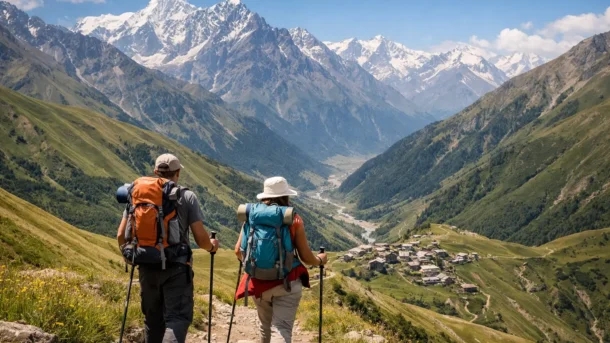
Azerbaijan surprises a lot of first-time visitors. Many arrive expecting Baku, the Caspian coastline, and historic landmarks, then realize the country also offers alpine meadows, forest trails, waterfalls, high mountain villages, and serious trekking terrain within a manageable travel distance. That range is exactly why hiking tours in Azerbaijan appeal to so many travelers – you can combine mountain scenery, local culture, and practical comfort in one trip without spending days on complicated logistics.

For travelers booking from abroad, the biggest question is rarely whether Azerbaijan is worth hiking. It is. The real question is how to do it well. Trail conditions, road access, weather shifts, transfer timing, and local guidance all matter here. A hiking day can be easy and scenic, or it can become tiring and disorganized if the route is not matched to your fitness level and travel plan.

Why hiking tours in Azerbaijan are worth booking

A guided hiking trip is not just about having someone lead the way. In Azerbaijan, it often means saving time, reaching better trailheads, and avoiding the guesswork that comes with a destination you may not know well. Many of the best hiking areas are outside major cities, and public transportation does not always line up with the kind of day trip or private itinerary most international travelers want.

A well-planned tour gives you more than transport. It helps with pacing, route selection, meal stops, safety, weather adjustments, and local context. If you are traveling as a couple, with children, or in a small private group, that flexibility matters. Some visitors want a relaxed nature walk with panoramic views. Others want a full mountain day with elevation gain and a stronger challenge. The right operator should be able to shape the experience around that difference instead of forcing everyone into the same plan.

There is also a comfort factor. When you are traveling in a country for the first time, it helps to have direct local support before and during the tour. Clear pickup arrangements, realistic timing, and someone you can message if plans shift make the entire trip feel easier.

Best regions for hiking tours in Azerbaijan

Azerbaijan is not one single hiking destination. Different regions offer very different landscapes, trail styles, and day-trip possibilities.

Quba and Qusar

This is one of the strongest areas for mountain scenery and fresh air. Trails in this part of the country can range from moderate walks through green valleys to more demanding routes toward higher elevations. It is a good fit for travelers who want dramatic views without going fully remote for several days.

Shahdag is the best-known name in the region, especially for winter activities, but the wider Quba-Qusar area also works well for warm-season hiking. If you are combining hiking with village visits or a nature-focused itinerary, this region gives you a lot of flexibility.

Gabala and Ismayilli

These areas are ideal for travelers who want forested landscapes, softer mountain scenery, and routes that can work well as part of a broader multi-day trip. Gabala is one of the easier destinations to include in a private travel package, and that makes it especially attractive for visitors who want hiking without giving up comfort.

You can pair walks and hikes here with lakes, viewpoints, or cultural stops. That balance is useful for mixed-interest groups where not everyone wants a full trekking itinerary.

Sheki and the northwest

Sheki is famous for architecture, food, and culture, but it also opens the door to scenic outdoor routes in the surrounding mountain areas. Travelers who want a more rounded Azerbaijan experience often enjoy this region because it blends hiking with a very strong sense of place.

The advantage here is not only the trail itself. It is the chance to move between landscapes and local heritage in the same trip, which can make a private itinerary feel richer and less repetitive.

Shamakhi and nearby highland routes

For visitors staying closer to Baku or building a shorter itinerary, Shamakhi can be a practical option. You still get open nature, hills, and fresh mountain air, but with easier access than some of the farther northern regions. This can be a smart choice for a day trip or a weekend plan when you want hiking without a long transfer day.

Choosing the right hike for your travel style

Not every hiking tour should be sold as a hard-core adventure. That is one of the most common mistakes travelers make when planning mountain activities abroad. In Azerbaijan, the better approach is to match the route to your energy, interests, and the rest of your trip.

If your vacation includes Baku sightseeing, long drives, and several regional stops, a moderate scenic hike may be the better choice than a demanding full-day ascent. You will enjoy the landscape more and finish the day feeling satisfied instead of exhausted. On the other hand, if hiking is one of the main reasons for your trip, it makes sense to build a schedule with dedicated mountain days, earlier starts, and fewer packed sightseeing stops.

Families with children usually do best with shorter routes, clear paths, and flexible timing. Couples often prefer private hikes that combine viewpoints, local villages, and photo stops at a comfortable pace. Adventure-focused travelers may want stronger elevation gain, peak-focused routes, or multi-day plans with more time in the mountains. None of these options is better than the others. It depends on what kind of trip you want to remember.

What to expect from a well-organized hiking tour

The best hiking tours in Azerbaijan feel smooth from the first message, not just on the trail. Before booking, you should be able to ask practical questions about duration, difficulty, footwear, weather, transfers, and what is included. Clear answers matter, especially if you are coordinating travel from overseas.

On the day itself, transport is a major part of the experience. Some trail access points are much easier by private vehicle, and a reliable pickup saves both time and energy. Local guidance also helps with route changes if the weather turns, if the ground is muddy, or if your group wants to shorten or extend the day.

Good planning should also account for the season. Spring and early summer bring green landscapes and flowing water, but some higher routes can still be affected by snow or wet ground. Summer often offers the widest access, though lower-altitude hikes may feel warmer by midday. Fall is excellent for color and cooler temperatures. Winter can be beautiful in mountain regions, but the style of activity may shift more toward snow-based experiences depending on conditions.

This is where local support makes a difference. A route that looks simple on a map can be completely different in real conditions, and visitors often appreciate having someone nearby who knows when to adapt the plan.

Private or group hiking tours in Azerbaijan

For most international travelers, private tours are the easier choice. They offer more control over pace, pickup time, photo stops, and route intensity. If one person in your group wants a gentler day, or if you want to combine hiking with lunch, sightseeing, or hotel-based travel plans, a private setup is usually more comfortable.

Group tours can work well if you are traveling solo and want a more social option, but they usually leave less room for changes. The trade-off is simple: group tours can be efficient, while private tours are more tailored. For many visitors coming to Azerbaijan for a limited number of days, the added convenience of a private tour is worth it.

This is also why many travelers prefer working directly with a local operator rather than trying to piece together transport, timing, and trail research on their own. Tours in Azerbaijan, for example, focuses on exactly that kind of practical support, helping visitors combine destinations, hiking activities, and custom travel planning in a way that feels manageable.

What to pack and prepare

You do not need complicated expedition gear for most hiking routes, but you do need to be realistic. Comfortable hiking shoes, weather-appropriate layers, water, sun protection, and a light daypack are the basics. In mountain regions, conditions can change quickly, especially if you start in a warm town and head toward higher elevations.

It is also smart to share any concerns in advance. If you have limited hiking experience, are traveling with children, or want frequent stops, say so before the tour is confirmed. A dependable operator would rather adjust the route than let you end up on a trail that does not suit your group.

If you are building a longer itinerary, think about balance. Hiking works very well alongside destinations like Gabala, Sheki, Quba, and Qusar, but your trip will feel better if not every day is physically demanding. A mix of active days and lighter cultural sightseeing usually creates a stronger overall experience.

Making the most of hiking tours in Azerbaijan

The most satisfying hiking trips here are not always the most difficult ones. Often, they are the ones that fit naturally into the rest of your travel plans, leave room for local food and mountain views, and are supported by people who know the roads, the regions, and the pace that works best for your group.

If Azerbaijan is still new to you, that is not a disadvantage. It simply means the planning side matters more. With the right route, the right season, and the right local support, hiking here feels less like a complicated adventure and more like what it should be – a rewarding, well-run day in some of the country’s best landscapes.

If you are considering a hiking trip in Azerbaijan, start by thinking less about the hardest trail and more about the kind of day you actually want. That is usually where the best itinerary begins.

Shahdag Ski Package: What to Expect

Shahdag Ski Package: What to Expect

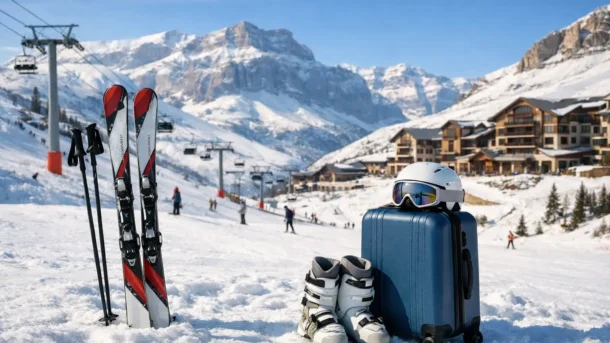
Cold mountain air, fresh snow under your boots, and a resort that feels surprisingly easy to reach from Baku – that is the appeal of a Shahdag ski package for many visitors coming to Azerbaijan. If you are planning a winter trip from abroad, the real question is not whether Shahdag is worth visiting. It is how to book the experience in a way that saves time, avoids confusion, and gives you proper local support once you arrive.

Shahdag Mountain Resort is one of the country’s best-known winter destinations, set in the Qusar region in northern Azerbaijan. It attracts couples looking for a short snowy escape, families who want a child-friendly winter break, and travelers who simply want skiing without the stress of organizing every detail on their own. For most international visitors, a package makes the trip much easier because transport, timing, and resort planning matter more here than people first expect.

Why a Shahdag ski package makes sense

A ski trip can sound simple on paper. Pick a date, book a hotel, rent equipment, and head to the slopes. In practice, winter travel involves a lot of small decisions that can affect the whole experience. How will you get from Baku to Shahdag? Should you stay overnight or do it as a day trip? Do you need ski passes in advance, or can they be arranged on arrival? If you are traveling with children or mixed-level skiers, which plan actually fits your group?

This is where a Shahdag ski package becomes practical rather than just convenient. It reduces the number of moving parts. Instead of trying to coordinate long-distance transport, resort entry timing, and activity planning from abroad, you can book one organized option built around your travel style.

That matters even more if this is your first visit to Azerbaijan. Many travelers want local help with the basics, from route planning to knowing how much time to spend at the resort. A good package also gives you a real point of contact if weather changes or if you want to adjust your day.

What is usually included in a Shahdag ski package?

The exact inclusions depend on whether you book a day tour or a multi-day winter trip, but most packages are built around the essentials. Transportation is usually the starting point, especially for travelers staying in Baku. A private transfer is often the most comfortable option because the drive is long enough that flexibility matters, particularly if you are traveling with ski clothing, children, or extra luggage.

Many packages also include driver service, itinerary coordination, and waiting time at the resort. In overnight options, hotel accommodation is often part of the package or arranged with support. Some travelers also prefer help with selecting a resort hotel based on budget and slope access rather than booking blindly.

Ski-related items can vary. Some packages include only transport and planning support, while others may be arranged with ski pass guidance, equipment rental assistance, or time set aside for additional snow activities. That distinction matters. Not every traveler needs an all-in-one ski product. Some want a flexible winter day with sightseeing, cable car rides, snow play, and time at cafés rather than a full sport-focused schedule.

Day trip or overnight stay?

This is usually the first decision to make. A day trip works well if your main goal is to see Shahdag, enjoy the mountain setting, and try a few winter activities without committing to a longer resort stay. It suits travelers with limited time in Azerbaijan and visitors who want to combine winter scenery with a broader itinerary.

An overnight package is the better choice if skiing is the main event. You get more time on the slopes, less pressure around the return journey, and a much calmer pace overall. For families and beginner skiers, that extra time is often worth it. You do not have to rush rental, lessons, or meal breaks, and the trip feels more like a proper mountain holiday than a packed excursion.

How to choose the right Shahdag ski package

The best package is not always the biggest one or the cheapest one. It depends on your travel priorities.

If you are a couple visiting Azerbaijan for a few days, a private day trip may be enough, especially if you want to experience snow and mountain views without building your whole vacation around skiing. If you are traveling as a family, comfort usually becomes more important than price alone. A door-to-door transfer, flexible stops, and help adjusting the day around children can make a major difference.

For adventure travelers, the key question is whether you want a ski-centered visit or a winter mountain experience with a bit of everything. Shahdag offers more than ski slopes. Depending on conditions and season timing, some visitors are just as happy with scenic lifts, snow activities, and resort leisure time. Others want maximum slope time and need a plan that puts skiing first.

A reliable local operator should also be able to explain what is included clearly, what is not included, and what can be customized. That transparency matters. A package should make your planning easier, not leave you decoding hidden details after booking.

What to expect at Shahdag Mountain Resort

Shahdag is modern, well-known, and designed to welcome a wide range of visitors. That includes first-time skiers, experienced riders, families, and non-skiers who simply want to enjoy a winter setting. The resort has a polished feel, but your experience still depends on timing, weather, and how well your day is planned.

Snow conditions can vary across the season, and some travelers arrive expecting a fully active ski environment on every date. That is not always how mountain resorts work. If skiing is your top priority, it helps to confirm current conditions and choose your dates carefully. If your goal is a winter getaway in the mountains, you have more flexibility.

Another point travelers often underestimate is fatigue. The transfer, cold weather, rental process, and slope time can be tiring, especially for beginners. A package with realistic pacing is often better than one that tries to fit too much into a single day.

Is Shahdag good for beginners and families?

Yes, in many cases it is. Shahdag is one of the easiest places in Azerbaijan to enjoy a winter resort atmosphere without needing expert-level ski skills. Beginners often appreciate having support with logistics before they even reach the slopes. Families benefit from a more structured plan, especially when equipment, breaks, and transport all need to work smoothly.

That said, if someone in your group is very focused on advanced skiing while others are non-skiers, your package should reflect that. One-size-fits-all planning rarely works well in mixed groups. A flexible private arrangement is often the better fit than a rigid shared schedule.

Practical booking tips before you confirm

Ask what is included in plain terms. Travelers sometimes assume a Shahdag ski package covers lifts, rentals, lessons, meals, and accommodation automatically. Sometimes it does. Sometimes it covers only transport and trip coordination. Clear details prevent disappointment.

It is also worth confirming pickup location, total travel time, waiting policy, and whether the itinerary can be adjusted on the day. Small details like this matter when you are in a winter resort setting and trying to make the most of limited time.

If you are traveling from abroad, direct communication is especially useful. Being able to ask questions before arrival, check timing, and receive support quickly gives peace of mind. That is one reason many visitors prefer booking with a local operator rather than piecing the trip together alone.

Tours in Azerbaijan often appeals to travelers for exactly this reason – practical planning backed by local support, not just a reservation confirmation.

When to book your Shahdag ski package

Winter demand can rise quickly around holidays, school breaks, and weekends. If you are traveling during peak season, booking early gives you better hotel choices and smoother transport arrangements. Last-minute bookings are still possible in some cases, but your preferred dates or room category may already be limited.

If you want a simple scenic mountain trip, you may have more flexibility. If you want a specific resort stay, private transport, and ski-focused planning, earlier is usually better.

A good Shahdag ski package should leave you feeling looked after before the trip even begins. When the route, timing, and local support are handled properly, you can spend less energy on logistics and more on enjoying the snow, the mountains, and the kind of winter day that feels easy from start to finish.

Guba Qusar Ski Tour: What to Expect

Guba Qusar Ski Tour: What to Expect

Snow in Azerbaijan surprises a lot of first-time visitors. Many travelers arrive expecting old city walks, Caspian views, and mountain villages, then realize a guba qusar ski tour can add a completely different side of the country to the same trip. If you want winter scenery, a modern resort setting, and the comfort of having transport and timing handled properly, this route is one of the easiest ways to enjoy a mountain escape without stress.

The usual destination for this experience is the Shahdag mountain area near Qusar, often combined with time in Guba on the way. For international travelers, that combination works especially well. Guba adds landscape, local atmosphere, and a scenic road trip feel, while Qusar brings the ski resort experience people are actually coming for. Together, they make a strong winter day trip or an even better overnight journey.

Why a guba qusar ski tour is worth it

A ski trip sounds simple until you start planning it from abroad. Road conditions, weather changes, equipment rental timing, lift access, meal stops, and return travel can quickly turn a fun day into a tiring one. That is why many visitors prefer a guided or private setup instead of trying to piece everything together after landing in Azerbaijan.

The biggest advantage is convenience. You do not need to figure out intercity transport, negotiate with drivers, or wonder if you are leaving early enough to make the most of the slopes. A well-planned trip gives you a clear pickup time, direct travel, enough time at the resort, and local guidance on what makes sense for your skill level and schedule.

There is also the question of pace. Some travelers want a full ski-focused day. Others want snow views, a gondola ride, photos, a relaxed lunch, and maybe a short beginner session rather than hours on the mountain. A good private itinerary can fit either style.

Where the tour actually takes you

Most people searching for a Guba Qusar ski trip are really aiming for Shahdag Mountain Resort. This is one of Azerbaijan’s best-known winter destinations and the main ski base in the region. It is located in the greater Qusar area, surrounded by high mountain scenery that feels very different from Baku.

Guba often appears in the name of the tour because it sits on the route and makes logistical sense as part of the wider northern experience. Depending on your plan, you may pass through Guba, stop there briefly, or stay there as part of a longer itinerary. If you are booking a one-day tour from Baku, the day is usually centered on reaching Shahdag efficiently and giving you enough time at the resort.

If you book an overnight private trip, there is more room to enjoy both areas properly. That can mean less rushing, better timing for first-time skiers, and a more relaxed return.

What to expect on the road from Baku

Travel time matters more in winter than people think. From Baku, the route north is scenic but long enough that an early departure is the smart choice. Leaving early helps you avoid wasting your best daylight hours in the car and gives you more flexibility if mountain weather shifts.

The drive itself is part of the experience. As you leave the capital behind, the landscape opens up and gradually starts to feel more rural and elevated. In colder months, the mountain approach can be one of the highlights of the trip, especially for visitors who have not seen this side of Azerbaijan before.

For families and couples, private transport usually makes the day much easier. You can stop when needed, keep your own pace, and avoid the uncertainty that comes with shared transport or self-organized transfers.

Skiing, snow activities, and beginner options

A common concern is whether this tour is only for experienced skiers. It is not. A guba qusar ski tour can work for complete beginners, casual snow lovers, and more active travelers alike. The right plan depends on what kind of day you want.

If your goal is proper skiing or snowboarding, you will want enough time for rental, lift access, and at least a few hours on the slopes. First-timers should also expect a slower start. Getting gear, understanding the area, and finding your comfort level takes time. That is another reason why rushed transport plans tend to disappoint.

If you are not focused on skiing itself, the mountain resort still has plenty of appeal. Many visitors come mainly for the winter views, cable car rides, fresh air, and the simple pleasure of spending a day in the snow. This option is especially popular with mixed groups where not everyone wants the same level of activity.

For families with children, flexibility matters. Some children are excited by snow play more than lessons or long sessions on the slopes. Others need frequent breaks, warm drinks, and short activity windows. A private tour is often the better fit because it leaves room for these small but important adjustments.

Best time to plan your ski trip

Winter timing always depends on weather, but the main ski season generally runs during the colder months when snow conditions support resort operations. If skiing is your priority, it is best to plan around the active winter period rather than assuming snow will be consistent early or late in the season.

This is where local advice helps. Conditions can vary, and travelers booking from overseas often want reassurance before finalizing dates. A locally managed trip can give you a more realistic sense of whether your chosen travel window is suitable for skiing, sightseeing in the snow, or both.

If your schedule is flexible, weekday travel can sometimes feel easier than weekends. The atmosphere may be calmer, and that can be useful if you prefer a quieter experience or are traveling with kids.

Day tour or overnight stay?

This is one of the most important decisions. A one-day trip from Baku is possible and popular, especially for travelers with limited time. It works well if you are comfortable with an early start and want a focused resort visit without adding another hotel stay.

Still, there is a trade-off. A day trip means more time on the road and less room for delays, weather changes, or a slow start at the resort. If skiing is the main purpose of the trip, an overnight stay usually gives you a better experience.

An overnight plan is also a smarter choice for couples looking for a more relaxed winter break and for families who do not want children spending too many hours in the car in one day. You arrive with less pressure, have more time to enjoy the mountain setting, and return without feeling like the day disappeared into transport.

What to wear and prepare

Mountain weather can feel much colder than visitors expect, especially if you are coming from Baku or from a warmer country. Dress in warm layers and plan for changing conditions. Waterproof outerwear, gloves, and proper winter footwear make a real difference even if you are not skiing.

If you are skiing, rental availability helps, but personal comfort still matters. Warm socks, sunglasses or snow-appropriate eyewear, and a practical change of clothes for the drive back can make the day far more comfortable. Families should pack with extra care because wet gloves or cold shoes can end the fun quickly.

It is also wise to keep expectations realistic. Weather affects mountain trips. Visibility, snow quality, and travel speed can change. That does not mean the tour is not worth doing. It simply means winter travel works best when the itinerary has some flexibility built in.

Why many travelers book with a local operator

When visitors plan a ski trip in a country they do not know well, they usually want the same things – safe transport, clear communication, flexible support, and confidence that someone local is paying attention to the details. That is exactly where a private operator adds value.

Instead of managing every moving piece yourself, you get a trip shaped around your dates, group size, and travel style. That may mean a direct pickup from your hotel, advice on whether a day trip is realistic, help choosing the right timing, or adjusting the route to suit children or non-skiers.

For travelers who want a smoother experience from the first message to the return drive, Tours in Azerbaijan can help arrange this kind of northern winter trip with practical local support and personalized planning.

A guba qusar ski tour is one of those experiences that works best when the logistics stay in the background and the mountains take over. Plan it well, leave room for the weather, and you will likely come back talking about a side of Azerbaijan you did not expect to find.

Shamakhi Winery Tour: What to Expect

Shamakhi Winery Tour: What to Expect

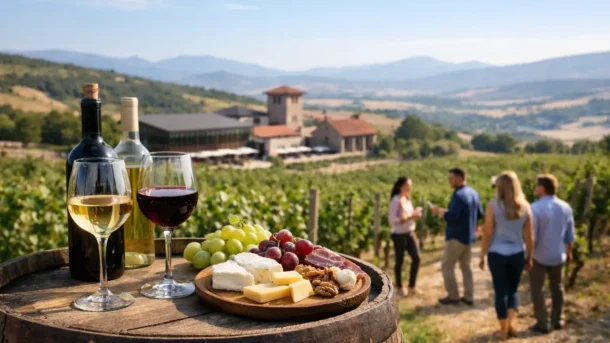
A shamakhi winery tour works best when you treat it as more than a wine tasting stop. Shamakhi gives you vineyards, open landscapes, mountain air, and an easy escape from Baku that still feels grounded in local culture. For many travelers, that mix is exactly the point – you get a relaxed day out, but it still feels like you have seen a real part of Azerbaijan.

If you are visiting from abroad, the biggest question usually is not whether Shamakhi is worth it. It is how to do it well. Timing, transport, winery access, and the pace of the day all matter. A smooth winery trip is rarely about squeezing in the most stops. It is about choosing the right route, the right amount of tasting, and enough time to enjoy the setting.

Why a Shamakhi winery tour stands out

Shamakhi is one of the easiest wine regions to add to an Azerbaijan itinerary. It is close enough to Baku for a day trip, but far enough to feel like a proper change of scene. The road itself becomes part of the experience, with rolling countryside and a quieter rhythm than the capital.

This region also suits different travel styles. Couples usually like it for the scenery and relaxed tastings. Families often appreciate that the day is not built around city walking or crowded attractions. Small private groups tend to enjoy the flexibility – a longer lunch, more photo stops, or adding a cultural stop nearby if the group wants variety.

The other reason Shamakhi appeals to international visitors is practical. It is one of those destinations where local support makes a visible difference. Winery visits can vary by day, tasting availability may change seasonally, and not every traveler wants to manage regional transport on their own. When the day is organized well, the experience feels easy from pickup to return.

What to expect on a Shamakhi winery tour

Most tours begin with pickup in Baku and a road journey west toward Shamakhi. Travel time depends on traffic, weather, and whether you add stops, but travelers should generally expect a full-day outing rather than a quick half-day excursion.

Once you arrive in the region, the focus shifts from transit to pace. A good winery visit usually includes time to walk the grounds, learn a little about local wine production, and sit down for a guided tasting. Some wineries are more polished and visitor-friendly, while others feel simpler and more rural. That is not necessarily a drawback – it depends on whether you want a refined tasting room atmosphere or something more down-to-earth.

Food matters more than many travelers expect. Wine on its own can make the day feel too short or too formal, while a proper meal turns the trip into a fuller regional experience. Many visitors prefer a schedule that includes lunch with local dishes so the tasting feels balanced and the day has a natural rhythm.

Tasting style and winery atmosphere

Not every winery experience in Shamakhi looks the same. Some focus on a structured tasting with clear explanations of grape varieties and production methods. Others feel more relaxed, where the setting and hospitality matter just as much as technical detail.

If you are a casual wine drinker, that is completely fine. You do not need deep wine knowledge to enjoy the trip. In fact, many visitors book a winery tour because they want a scenic day with a pleasant tasting element, not a specialist masterclass. If you are more serious about wine, private planning helps because the route can be tailored toward the style of experience you want.

Is it suitable for families or non-drinkers?

Yes, often it is. A winery tour is not automatically an adults-only day. The appeal of Shamakhi includes landscape, fresh air, photography, and the simple pleasure of getting out of the city. Families with children may enjoy the open setting, especially when the itinerary is private and not rushed.

For non-drinkers, the value depends on expectations. If someone in your group has no interest in wine at all, it helps to include another point of interest nearby or make the day more scenic and food-focused. That is where customization matters. The best itinerary is not always the one with the most tastings. It is the one that fits the group.

Best time to book a Shamakhi winery tour

Spring and fall are usually the most comfortable seasons. In spring, the countryside feels fresh and green, and the drive is especially pleasant. In fall, vineyard landscapes are often at their most appealing, and the cooler air makes the day more comfortable for long outings.

Summer can still work, especially if you want clear weather and long daylight hours, but midday heat may make outdoor time less enjoyable. Winter has a quieter appeal. Some travelers like the calm roads and less crowded feel, though vineyard scenery is less vivid and the atmosphere becomes more about the drive and tasting than the landscape.

The right season depends on what matters most to you. If photos and scenery are a priority, spring and fall tend to be strongest. If your trip dates are fixed, the region is still worth considering at other times, but expectations should match the season.

How long the trip takes from Baku

For most visitors staying in Baku, Shamakhi works best as a full-day private trip. That allows enough time for hotel pickup, comfortable driving, winery time, a meal, and a few pauses along the way without making the day feel rushed.

Trying to compress the experience too much can reduce the enjoyment. Wine tasting is not something most people want to do on a tight clock, and the road back to Baku is easier when the day has been paced properly. If you are deciding between a packed multi-stop day and a slower winery-focused itinerary, the slower option is often the better one.

Should you combine it with other stops?

Sometimes yes, but not always. Shamakhi has nearby cultural and natural points of interest, so combining a winery visit with a regional attraction can work well. This is useful for travelers who want variety, especially if not everyone in the group is equally interested in wine.

Still, there is a trade-off. Each added stop means less time at the winery and more time in the car. For couples or small groups who want a calm, scenic experience, one main winery stop plus lunch is often enough. For first-time visitors who want to maximize the day, a carefully planned combination can make sense.

Why private planning makes a difference

A shamakhi winery tour sounds simple on paper, but the quality of the day depends on coordination. Pickup times, route planning, winery availability, meal timing, and the pace of the itinerary all shape the experience. Travelers visiting Azerbaijan for the first time often prefer not to handle those details on arrival.

That is why many guests choose a local operator rather than arranging pieces separately. Private planning gives you more control over the tone of the day. You can keep it romantic, family-friendly, scenic, or wine-centered instead of following a rigid schedule designed for everyone and no one.

Tours in Azerbaijan is often chosen for exactly that reason – travelers want direct communication, clear planning, and local support before and during the trip. For international visitors, that reassurance matters just as much as the destination itself.

Tips before you go

Wear comfortable clothes and shoes, especially if you want to spend time walking outdoors around the property. Bring sunglasses, a light jacket in cooler months, and keep some room in your schedule the evening after the trip rather than planning another demanding activity.

It also helps to be clear about your priorities before booking. If you care most about scenery, say so. If you want lunch to be part of the experience, mention it. If your group includes children or non-drinkers, that should shape the plan from the start. The more tailored the day is, the more natural it feels once you are on the road.

A good winery day in Shamakhi is not about checking off a stop on a map. It is about giving yourself a few unhurried hours in one of Azerbaijan’s most pleasant regions, with the comfort of knowing the details have been handled well.

Sheki Tour from Baku: What to Expect

Sheki Tour from Baku: What to Expect

A Sheki tour from Baku is one of the best ways to see a different side of Azerbaijan without having to figure out long-distance transport, route planning, and timing on your own. Once you leave the capital, the landscape changes quickly – city views give way to mountains, villages, forests, and some of the country’s most memorable historical landmarks. For many visitors, Sheki is where Azerbaijan feels more intimate, more traditional, and easier to connect with.

Sheki sits in the northwest of the country, close to the Greater Caucasus Mountains. It is known for its old merchant history, distinctive architecture, handicrafts, sweets, and relaxed atmosphere. The trip from Baku is not short, which is exactly why planning matters. If you choose the right format, the journey becomes part of the experience rather than a tiring transfer.

Why choose a Sheki tour from Baku?

The main reason is convenience, but convenience here does not just mean having a car. It means having the route organized in a way that makes sense. Sheki is too far for a rushed, poorly planned outing, especially if you want to stop at meaningful places along the way and still arrive with enough energy to enjoy the town.

A guided or private tour helps you avoid common travel friction points. Visitors coming from abroad often face the same questions: Is public transport practical? Will there be language issues? How do you combine Sheki with Shamakhi, Ismayilli, or Gabala without losing half the day? A well-run tour solves those issues before they become problems.

There is also the local context. Some attractions are much better with explanation, especially historical and religious sites. Sheki is not just a scenic mountain town. It has layers of trade history, khanate-era architecture, craft traditions, and cultural details that are easy to miss if you arrive without background.

Is Sheki worth visiting from Baku?

Yes, but the honest answer is that it depends on how much time you have and what kind of traveler you are. If you enjoy long scenic drives, cultural landmarks, and getting outside the capital, Sheki is absolutely worth it. If you strongly prefer short travel days and slow mornings, an overnight trip will suit you better than a one-day return.

This matters because the road from Baku to Sheki takes several hours each way. A same-day trip is possible, especially with an early departure and private transport, but it creates a long day. Some travelers love that because they want to maximize a short Azerbaijan itinerary. Others find that Sheki deserves more breathing room.

For couples, families, and private groups, the best option is often a customizable plan. That gives you the flexibility to travel at your own pace, stop when needed, and focus on the landmarks that actually interest you.

What you can see on a Sheki tour from Baku

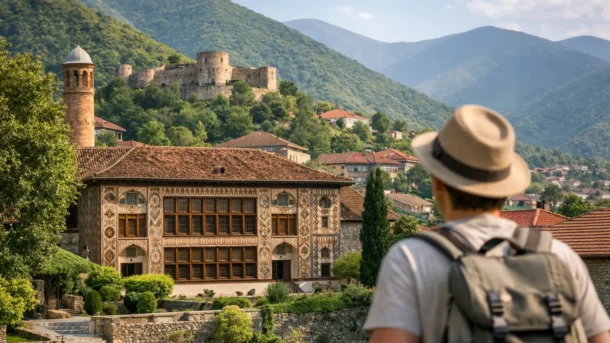
The highlight in Sheki is usually the Palace of Shaki Khans, a small but remarkable building known for its stained glass work, painted interiors, and detailed craftsmanship. It is not a massive palace complex, which surprises some visitors, but what it lacks in size it makes up for in artistry and historical importance. It is one of the sites that visitors remember most clearly after leaving Azerbaijan.

The historic center around the palace area adds to the experience. Walking through this part of Sheki feels very different from central Baku. The pace is slower, the setting is greener, and the architecture reflects an older regional identity.

Another popular stop is the Caravanserai. This large historic inn once hosted traders traveling along regional trade routes. Today, it gives visitors a strong sense of Sheki’s merchant past. Even if you only spend a short time there, it helps connect the town’s history to its location and cultural importance.

Many tours also include local sweet shops or artisan stops. Sheki halva is famous across Azerbaijan, and trying it in Sheki itself is part of the experience. Depending on the route and timing, guests may also visit craft workshops or explore local streets beyond the main monuments.

Stops on the road from Baku to Sheki

One reason a private Sheki route works so well is that the road itself offers worthwhile places to visit. Instead of treating the drive as dead time, the itinerary can include cultural and scenic stops that break up the journey.

Shamakhi is a common option, especially for travelers interested in history and architecture. The Juma Mosque is one of the best-known landmarks there and adds depth to the trip. In some itineraries, guests continue through more natural scenery around Ismayilli or nearby mountain areas, which gives the route a nice contrast between cultural sites and landscape views.

Gabala can also be included, though this changes the timing and may turn the day into a very full schedule. This is where trade-offs matter. If your goal is to properly enjoy Sheki, adding too many destinations can make the experience feel rushed. If your goal is to see as much of central and northwestern Azerbaijan as possible in limited time, a combined route may make sense.

A good operator will be clear about that balance instead of promising everything in one day.

Day trip or overnight stay?

This is the most important choice when planning your Sheki tour from Baku.

A day trip works best for travelers with limited time who want a private vehicle, an early start, and a focused itinerary. You will see the highlights, enjoy the road, and return to Baku the same night. It is efficient and practical, especially if Sheki is one part of a short Azerbaijan visit.

An overnight trip is better for travelers who want a more relaxed pace. It allows you to arrive without watching the clock, spend more time in the old town, enjoy dinner locally, and wake up in a completely different setting from Baku. Families with children often prefer this format because it reduces fatigue. The same is true for couples who want the trip to feel less like a transfer day and more like a real getaway.

If you are already building a longer itinerary through Azerbaijan, Sheki also works very well as part of a multi-day route rather than a stand-alone excursion.

What the travel experience should feel like

For most international visitors, the quality of a tour is not only about the attractions. It is about how easy the day feels from the moment of pickup. Clear communication, a comfortable car, practical timing, and a guide or driver who understands the needs of foreign travelers make a bigger difference than many people expect.

This is especially true on a long-distance route. You want enough flexibility for photo stops, coffee breaks, and family needs, but not so much looseness that the day loses structure. The best Sheki trips feel organized without feeling rigid.

That is why many travelers prefer working with a local operator rather than trying to patch the trip together themselves. With Tours in Azerbaijan, guests often look for exactly that kind of support – direct communication, route advice, private options, and help shaping the day around their group rather than fitting into a generic plan.

When to visit Sheki

Sheki is attractive in several seasons, but the experience changes through the year. Spring brings greener landscapes and mild weather, which makes the drive especially pleasant. Summer is popular and lively, though the road can feel longer in peak travel season if you start late. Fall is excellent for color and cooler temperatures. Winter can be beautiful too, but it is better suited to travelers who are comfortable with seasonal road conditions and shorter daylight hours.

If your main priority is scenic countryside and comfortable walking weather, spring and fall are usually the easiest recommendation. If you are traveling with children or older family members, shoulder season often gives the smoothest overall experience.

Who this tour is best for

A Sheki trip appeals to travelers who want more than just Baku’s modern skyline and major city sights. It is a strong choice for first-time visitors who want cultural depth, for families who want a private out-of-city experience, and for couples looking for a scenic and meaningful day together.

It also suits travelers who value practical support. If you are coming to Azerbaijan from abroad and do not want to spend your vacation negotiating taxis, checking road routes, and guessing whether each stop is worth it, a planned tour saves time and reduces stress.

The key is choosing the right pace. Some guests want a fast but rewarding day trip. Others want Sheki to be part of a slower private journey across the country. Both can work well when the itinerary matches the traveler.

If Sheki has caught your attention, trust that instinct. It is one of those places that gives visitors a fuller picture of Azerbaijan, and the right trip from Baku makes getting there feel easy from the start.

Gabala Day Trip from Baku: What to Expect

Gabala Day Trip from Baku: What to Expect

If you are looking at a gabala day trip from baku, the first thing to know is simple: it is a long day, but for many travelers, it is absolutely worth it. Gabala gives you a very different side of Azerbaijan – green mountain views, forested areas, lakes, family attractions, and cooler air that feels far from the capital. If your time is limited and you want to see more than Baku, this is one of the most popular choices for a reason.

What makes Gabala appealing is not just the destination itself. The route also matters. A well-planned day trip can combine scenic driving, a few cultural or nature stops, and enough time in Gabala to enjoy the area without feeling rushed. A poorly planned one can turn into too much time in the car and not enough time enjoying the place. That is why expectations matter before you book.

Is a gabala day trip from baku worth it?

For many visitors, yes – especially if you want mountain scenery without committing to an overnight stay. Gabala is one of the easiest ways to contrast modern Baku with a greener, more relaxed region. Couples like it for the views, families like it for the variety of stops, and private groups often choose it because the itinerary can be adjusted around their pace.

That said, this trip is best for travelers who are comfortable with a full-day schedule. The drive from Baku to Gabala usually takes around 3.5 to 4.5 hours each way, depending on traffic, road conditions, and how many stops are included. If you prefer slow mornings, long lunches, and lots of unplanned time, an overnight visit may suit you better.

For travelers who want to maximize a short Azerbaijan itinerary, though, a day trip works very well. You leave the city, see central and northern inland landscapes, visit major highlights, and return to Baku the same day with very little effort on your side when transport is arranged properly.

What you usually see on a Gabala day trip

The exact route depends on whether you book a private or shared tour, but most itineraries focus on a mix of scenic and family-friendly stops. Gabala itself is not a single monument-type destination. It is more of a region where the experience comes from combining a few places in one day.

Tufandag Mountain Resort

This is often the highlight. Even outside ski season, visitors come for the cable car and mountain views. On clear days, the ride gives you broad panoramas of the surrounding slopes and forests, and it is one of the easiest ways to enjoy the landscape without doing a demanding hike.

Season matters here. In winter, the resort attracts snow lovers and skiers. In spring and summer, it feels greener and softer. In fall, the colors can be especially attractive. If weather shifts, visibility may not be perfect, so this is one of those stops where the experience depends partly on conditions.

Nohur Lake

Nohur Lake is popular because it adds a calmer, more peaceful side to the trip. Surrounded by hills and trees, it is the kind of stop people enjoy for photos, a walk, or simply a break from the road. Some travelers expect a large activity-heavy lake destination, but in reality, the appeal is the setting and atmosphere.

If you are traveling with children or older family members, this stop usually works well because it is easygoing and does not require much physical effort.

Yeddi Gozel Waterfall

This waterfall is often included, but it comes with a practical note: access can vary by season and local conditions. The area is scenic and popular, though the approach may involve local transport and some steps depending on how far up you go. Some travelers love it for the natural setting, while others prefer to spend that time at the lake or mountain resort.

This is where a private trip has a real advantage. If your group is not interested in climbing or you are traveling with small children, you can often shift time toward easier stops.

Other road stops along the way

Many day trips include short breaks outside Gabala itself, often in Shamakhi or nearby areas. These may be for sightseeing, tea, lunch, or a brief look at local landmarks. These stops help break up the drive and make the day feel less like a direct transfer and more like a full travel experience.

Private or group tour – which is better?

This depends on your budget, travel style, and who you are traveling with.

A group tour is usually the more affordable option. It can be a good fit for solo travelers, couples, or visitors who mainly want an organized way to see the highlights without dealing with transport. The trade-off is less flexibility. Departure times are fixed, stop durations are shared with the group, and the pace may feel fast if you prefer a more personal experience.

A private tour costs more, but it solves many common concerns for international travelers. You get direct pickup, a smoother pace, and the ability to adjust the day around your interests. Families often prefer private travel because children may need more frequent breaks. Couples like the privacy and flexibility. Small groups appreciate being able to spend more time at the places they actually enjoy.

For visitors booking from abroad, private tours also reduce the stress of navigation, timing, and communication. When you have a local team managing the route, you spend less time figuring things out and more time enjoying the destination.

What the day feels like in practice

Most Gabala day trips start early, often around 8:00 or 9:00 AM, sometimes earlier depending on the itinerary. That early departure is not a sales tactic – it is necessary if you want enough time on the ground. A later start usually means either rushing through stops or returning to Baku very late.

The middle of the day is usually split between sightseeing, lunch, and transfer time between attractions. Distances within the region are manageable, but you are still covering a broad route. It is better to think of the day as a scenic road trip with major stops than as a stay in one compact town center.

You will likely return to Baku in the evening. For most travelers, it is a satisfying kind of tired – the feeling that you have seen a lot without needing to repack, change hotels, or plan logistics yourself.

What to pack for a gabala day trip from baku

Comfort matters more than people expect. Even in warmer months, mountain areas can feel cooler than Baku, especially with wind or changing weather. Light layers are a smart choice year-round.

Comfortable walking shoes are also worth bringing. You do not need serious hiking gear for a standard day trip, but slippery sandals or city-only footwear are not ideal if you plan to visit waterfalls, uneven paths, or cable car areas. Sunglasses, water, and a charged phone are basics, and families should bring small snacks for the road.

If you are visiting in winter, pack for a bigger temperature difference. Baku can be manageable while Gabala feels properly cold, especially at higher elevation. In summer, the trip is still comfortable, but mid-day sun can be strong.

Best time to go

Gabala works in every season, but the experience changes.

Spring and early summer are excellent for green landscapes and mild weather. Late summer is popular with travelers escaping Baku heat, though weekends can be busier. Fall is ideal if you like color, cooler temperatures, and a more scenic mountain atmosphere. Winter suits travelers who want snow views or plan to include Tufandag as more than just a sightseeing stop.

If your main goal is broad scenery and easy road conditions, spring and fall are often the most balanced choices. If your priority is snow, winter is the obvious pick, but build in some flexibility around weather.

Why organized planning matters on this route

A Gabala day trip looks simple on paper, but the quality of the day depends heavily on timing, route planning, and realistic stop selection. Too many stops can make the day feel rushed. Too few can make the long drive feel harder to justify. The best tours find the middle ground.

This is where a dependable local operator makes a difference. Travelers booking with Tours in Azerbaijan usually want more than a driver – they want clear communication, practical support, and an itinerary that matches their pace. That is especially helpful if this is your first visit to Azerbaijan or if you are coordinating travel for family members with different needs.

A good plan should feel easy from the start: clear pickup details, realistic travel times, useful advice on what to wear, and honest guidance on what can actually fit into one day.

Who should choose this trip

This trip is a strong fit for travelers who want to get outside the capital, enjoy nature without a demanding trek, and make efficient use of limited vacation time. It is also one of the easiest regional choices for visitors who want a scenic day with broad appeal rather than a niche activity.

If you are deciding between Gabala and another day trip, ask yourself what kind of day you want. If you want mountain scenery, lakes, fresh air, and a family-friendly route, Gabala is a very safe choice. If you want something slower and deeper, staying overnight may give you more room to enjoy the area properly.

For many visitors, though, a single day is enough to understand why Gabala stays high on the list of must-see places beyond Baku – and enough to leave them already thinking about their next trip back.

Ateshgah and Yanardag Tour From Baku

Ateshgah and Yanardag Tour From Baku

A few kilometers outside Baku, the landscape starts telling a different story. Oil fields, dry hills, and open sky set the scene for one of the most memorable short trips in Azerbaijan – an ateshgah and yanardag tour that brings together religion, geology, and local history in a half-day or full-day experience.

For many travelers, this is the easiest way to see Absheron beyond the city center without worrying about transport, route planning, or time management. It is also one of the most popular choices for first-time visitors because the sites are close to Baku, visually distinctive, and easy to combine with other nearby attractions if you want a fuller day.

Why an Ateshgah and Yanardag tour is worth it

These two places are often grouped together for a simple reason – they make sense as a pair. Ateshgah, the Fire Temple, shows how natural gas shaped spiritual life on the Absheron Peninsula centuries ago. Yanardag, the Burning Mountain, shows the same natural force in its rawest form, with flames rising continuously from the hillside.

Seeing only one gives you part of the picture. Visiting both on the same outing makes the experience more complete. You get the cultural and historical context at Ateshgah, then the dramatic natural spectacle at Yanardag. For travelers with limited time in Azerbaijan, that combination is hard to beat.

There is also a practical advantage. These sites are outside central Baku, and public transportation is not the best option for most international visitors. A guided trip saves time, removes language stress, and gives you useful context that is easy to miss if you arrive on your own.

What you will see at Ateshgah

Ateshgah is located in Surakhani and is one of Azerbaijan’s best-known historical landmarks. The structure you see today is a pentagonal complex with a central altar and surrounding cells that once hosted worshippers, pilgrims, and ascetics. The site is strongly associated with fire worship, and many visitors connect it with Zoroastrianism, though its history is layered and includes Hindu and Sikh influences as well.

That nuance matters. A good guide will explain that Ateshgah is not just a simple ancient temple frozen in time. It reflects centuries of trade, migration, belief, and the natural gas resources that made this part of Absheron so unusual. The flames that once emerged naturally from the ground gave the temple its purpose, and that connection between nature and faith is what makes the site so memorable.

Today, the complex functions as a museum as much as a monument. You can walk through restored chambers, see exhibits that explain the temple’s background, and get a better sense of how travelers and worshippers once used the space. It is compact enough to explore comfortably, but rich enough to reward a slower visit.

What makes Yanardag different

If Ateshgah is reflective, Yanardag is immediate. The attraction is simple and striking – a line of fire burns across the hillside, fed by natural gas escaping through the ground. Unlike the many extinguished natural flames that once gave Azerbaijan its nickname, Land of Fire, Yanardag still burns today.

That is why it leaves such a strong impression on visitors. There is no need for interpretation to understand the visual impact. Even before you hear the scientific explanation, you see the fire moving against the earth and feel the heat coming off the slope.

The modern visitor area is organized and accessible, with paths, viewing zones, and a museum component that adds background. Daytime visits are common, but many travelers prefer to arrive later in the afternoon when the light softens and the flames become more vivid. If you are deciding between a morning trip and a sunset timing, it depends on your schedule, but sunset usually feels more atmospheric.

How long does the tour take?

An ateshgah and yanardag tour from Baku is usually straightforward and does not require a full day unless you want extra stops. In most cases, the experience takes around 4 to 6 hours including hotel pickup, driving time, site visits, and short breaks.

That makes it ideal for travelers who want to keep part of the day free. You can do it after breakfast and still return to Baku in time for dinner, or start later and make it an easy afternoon outing. Families with children often find this timing comfortable because the distances are manageable and there is not too much walking.

If you prefer a slower pace, private touring works especially well. You are not rushed through the monuments, and you can spend more time taking photos, asking questions, or adding nearby places on the Absheron Peninsula.

Should you book a private or group tour?

It depends on what matters most to you. Group tours are usually more budget-friendly and work well for travelers who are mainly looking for transport and a standard itinerary. If you are comfortable moving on a shared schedule, they can be a good fit.

Private tours are the better choice if you want flexibility, direct communication, and a smoother experience from pickup to drop-off. This matters even more for couples, families, and small groups visiting Azerbaijan for the first time. You can set a more relaxed pace, adjust pickup times, and often combine the tour with other sights without the stop-start feeling that can happen on larger tours.

For international visitors, there is also peace of mind in having a local team handle the details. When your time in Baku is limited, convenience is not a small benefit – it is often the difference between a good day and a stressful one.

Best time to take an Ateshgah and Yanardag tour

These sites can be visited year-round, but spring and fall are usually the most comfortable seasons. Summer is absolutely possible, though midday heat on the Absheron Peninsula can feel intense, especially if you are combining several outdoor stops. Winter has fewer crowds and often a clearer, quieter atmosphere, but windy conditions are common.

The time of day also changes the experience. Ateshgah works well in almost any light because much of the interest is architectural and historical. Yanardag, on the other hand, tends to feel more dramatic later in the day. If photos matter to you, a late afternoon departure is often the better option.

What to wear and bring

This is not a demanding excursion, but comfort matters. Wear walking shoes with a stable sole, bring water, and carry a light jacket if you are visiting outside summer. The peninsula can be windy even when Baku feels calm.

Sunglasses and sunscreen are worth having, especially for daytime departures. If you enjoy photography, bring your phone or camera fully charged. Neither site requires hiking gear, but both are more enjoyable when you are dressed for open-air sightseeing rather than city dining.

Can you combine it with other Absheron stops?

Yes, and this is where a customized itinerary can make a big difference. Some travelers want to keep the trip short and focus only on the Fire Temple and Burning Mountain. Others prefer to turn it into a wider Absheron day with places such as the Baku Ateshgah area surroundings, local viewpoints, or cultural stops that fit naturally with the route.

The best version depends on your interests. If history is your priority, you may want more time at Ateshgah and other heritage sites. If you are traveling with children, a shorter route with less driving may be the smarter choice. If you have already seen central Baku, adding peninsula stops can help balance your itinerary with something beyond the usual city highlights.

This is one reason many travelers choose a local operator instead of trying to assemble the day alone. Personalized planning sounds like a small detail until you are trying to coordinate distances, opening hours, and pickups in a place you have never visited before.

What to expect from the experience overall

This tour is not about checking off giant landmarks or spending the entire day on the road. It is about seeing a side of Azerbaijan that explains why fire is so deeply connected to the country’s identity. The scale is manageable, the travel time is reasonable, and the contrast between the two sites keeps the outing interesting from start to finish.

With the right planning, the experience feels easy. You are picked up in Baku, driven comfortably between sites, and guided through places that make much more sense when someone local explains the background. That is exactly why this route remains one of the most requested short trips for visitors staying in the capital.

If you are building your Azerbaijan itinerary and want one excursion that is simple to fit in, visually memorable, and strongly tied to the country’s heritage, this is a very reliable choice. Tours in Azerbaijan can help arrange it in a private, traveler-friendly format so you spend less time figuring things out and more time enjoying where you are.

A good day trip should leave you with more than photos, and this one usually does – a clearer sense of what makes Azerbaijan distinct, just beyond the edges of Baku.