

 by
by 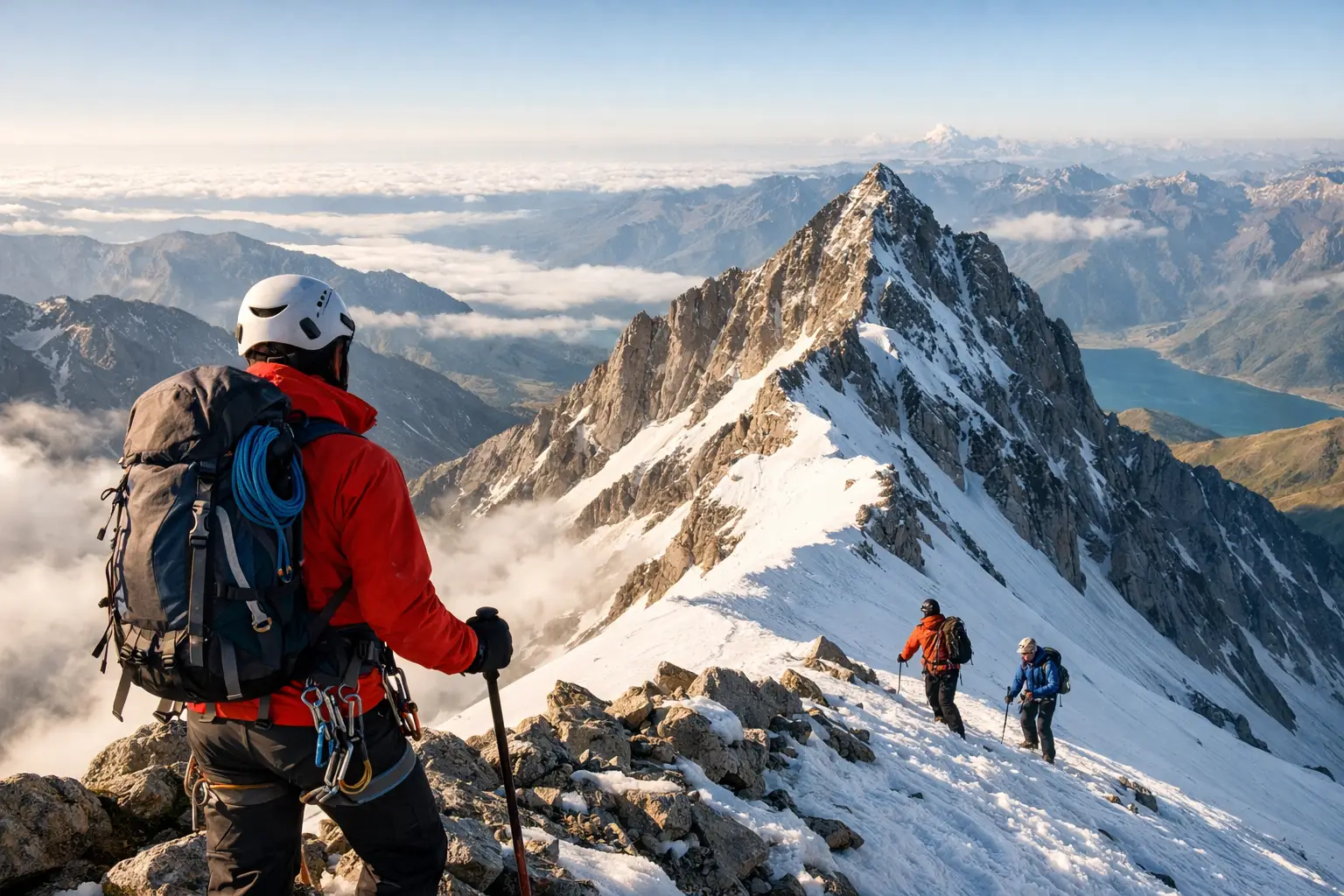
Azerbaijan surprises many travelers the moment they leave Baku and head north. The landscapes change fast – dry hills give way to deep valleys, forested slopes, and high mountain terrain that feels far removed from the city. For travelers considering peak climbing Azerbaijan, that contrast is part of the appeal. You can combine culture, comfort, and serious outdoor adventure in one trip, without needing to plan every detail on your own.
Peak climbing here is not only about reaching a summit. It is also about access to wild scenery, local mountain villages, and routes that still feel less crowded than better-known climbing destinations. That makes Azerbaijan especially attractive for travelers who want a guided, organized experience with real mountain character.
Why peak climbing Azerbaijan stands out
The biggest advantage is variety. Azerbaijan includes sections of the Greater Caucasus, and this gives climbers access to high peaks, changing terrain, and different levels of difficulty. Some routes are suitable for active travelers with hiking experience, while others are better for strong trekkers or mountaineers who are comfortable with steep ascents, loose ground, and long summit days.
Another benefit is how well peak climbing can fit into a broader trip. Many visitors do not want an expedition-style vacation from start to finish. They want a few days in Baku, perhaps a cultural stop in Sheki or Gabala, and then a well-planned mountain experience. That combination works very well in Azerbaijan because travel distances are manageable and private planning makes the schedule easier.
There is also the question of crowd levels. In some mountain regions, popular routes can feel busy, commercial, and rushed. In Azerbaijan, the experience is often quieter and more personal. You spend more time focused on the landscape and the climb itself, and less time competing for space on the trail.
Which peaks are popular for climbing?
Several mountain areas attract climbers, especially in the north and northwest of the country. Shahdag is one of the best-known names and often comes up first when travelers ask about mountain adventure in Azerbaijan. The wider Shahdag region offers dramatic alpine scenery and is suitable for both hiking and more demanding summit-focused outings, depending on the route and season.
Tufandag is another name travelers recognize, particularly because the Gabala area is already popular for nature tourism. Some visitors combine hiking in this region with a broader countryside itinerary. The terrain can be rewarding, but the right route matters. Not every mountain outing in the area is the same, and there is a big difference between a scenic hike and a true peak ascent.
Bazarduzu, Azerbaijan’s highest mountain, holds special appeal for experienced climbers who want a more serious objective. This is not the casual option. Reaching higher peaks usually requires stronger fitness, more time, better weather timing, and a guide who knows the terrain and logistics. For the right traveler, though, it is one of the most memorable mountain experiences in the country.
What matters most is matching the peak to your condition, available time, and comfort level. Some travelers choose a mountain because it is the highest. Others are happier with a route that offers great views and challenge without pushing into technical difficulty. That second choice is often the better one for visitors on a short trip.
Best time for peak climbing in Azerbaijan
Summer is usually the most practical season for peak climbing in Azerbaijan, especially from late spring into early fall. During this period, access is easier, mountain roads are more reliable, and weather conditions are generally more favorable for trekking and summit attempts.
That said, mountain weather is never fully predictable. A warm day in the lowlands does not guarantee comfortable conditions at altitude. Wind, fog, rain, and rapid temperature drops are all possible, even in the climbing season. This is one reason guided planning matters. A route may look straightforward on paper, but conditions can change the pace and safety of the day.
Early season and late season climbs can be beautiful, with fewer people and cleaner air, but they may also involve snow patches, muddy trails, or colder overnight conditions. Winter changes the picture entirely. Some mountain areas remain attractive for snow activities, but true peak climbing becomes much more specialized and dependent on equipment and experience.
How difficult is it?
This depends completely on the peak and route. Some climbs in Azerbaijan are demanding hikes rather than technical mountaineering. Others move closer to expedition-style trekking, where endurance, acclimatization, and careful pacing become important.
A common mistake is assuming that if a route does not require ropes, it must be easy. In reality, long ascents at altitude can be tiring even for travelers who are active at home. Loose rock, exposed ridgelines, steep gradients, and weather shifts all add difficulty. A climb that seems moderate at the start can feel very different after several hours of gain.
For most visitors, the best approach is to be honest about fitness. If you hike regularly, manage long days on your feet, and recover well after climbs, you likely have several good options. If your experience is limited to casual walking or short scenic trails, starting with a less demanding mountain day is usually smarter. You will enjoy it more and stay safer.
Planning and logistics matter more than many travelers expect
Peak climbing is where local support makes a real difference. Transportation to trailheads can be complicated, especially for travelers unfamiliar with regional roads, mountain villages, and permit-related details in certain areas. Start times are often early, weather windows matter, and not every route is clearly marked in a way that suits international visitors.
A guided setup also helps with the practical side that many travelers underestimate: what to pack, how much water to carry, where to stay before and after the climb, and whether the route works as a day trip or needs an overnight stop. These details shape the experience just as much as the mountain itself.
For private travelers, customization is especially useful. Some want one focused summit day. Others want a broader mountain itinerary with transfers, hotel coordination, and easier activity days around the main climb. That flexibility is often the difference between a stressful plan and a smooth one.
What to bring for a successful climb
Packing for peak climbing in Azerbaijan should be practical, not excessive. Good hiking boots with grip are essential. Trail shoes may work on certain routes, but they are not ideal for loose or steep mountain ground. Layered clothing matters because temperatures can shift quickly between morning, midday, and high elevation.
A waterproof outer layer, sun protection, snacks, gloves for cold starts, and a daypack with enough water are standard basics. Trekking poles help many climbers on descents, especially when the trail is uneven. If the route is more demanding, your guide may recommend extra gear depending on the season and altitude.
It is better to ask specific questions before the trip than to guess. Travelers coming from abroad often pack for the city and then realize the mountains require a completely different setup. A quick gear check before your climbing day can prevent small mistakes from turning into major discomfort.
Who is peak climbing Azerbaijan best for?
It works especially well for adventure-minded travelers who want more than sightseeing but do not want the burden of organizing a mountain trip from scratch. Couples, private groups, and experienced hikers often find Azerbaijan appealing because the trip can be tailored around comfort level, time frame, and broader travel plans.
Families usually need a more selective approach. True peak climbing is not suitable for every child, but mountain nature experiences, shorter hikes, and scenic highland outings can still be an excellent fit. The key is choosing the right level of challenge instead of forcing a summit plan that does not match the group.
Solo travelers can also benefit from guided support, especially if they are visiting the country for the first time. Local route knowledge, language support, and transport coordination remove a lot of uncertainty and help the day run on time.
A better way to think about the experience
The best mountain trips are not always the ones with the highest summit or the toughest route. Often, they are the trips where the logistics are handled well, the pace suits the traveler, and the guide knows when to push forward and when to adjust. That is particularly true in Azerbaijan, where mountain conditions and travel planning can vary by region.
At Tours in Azerbaijan, we see many travelers arrive with broad interest in mountains but not much clarity on which climb actually suits them. Once the route, season, and support are matched properly, the experience becomes much more enjoyable. Instead of worrying about transport, timing, and trail decisions, you can focus on the climb and the scenery around you.
If Azerbaijan’s mountain side is calling you, the best first step is not choosing the hardest peak. It is choosing the right one for your trip, your energy, and the kind of adventure you want to remember long after you head home.