

 by
by 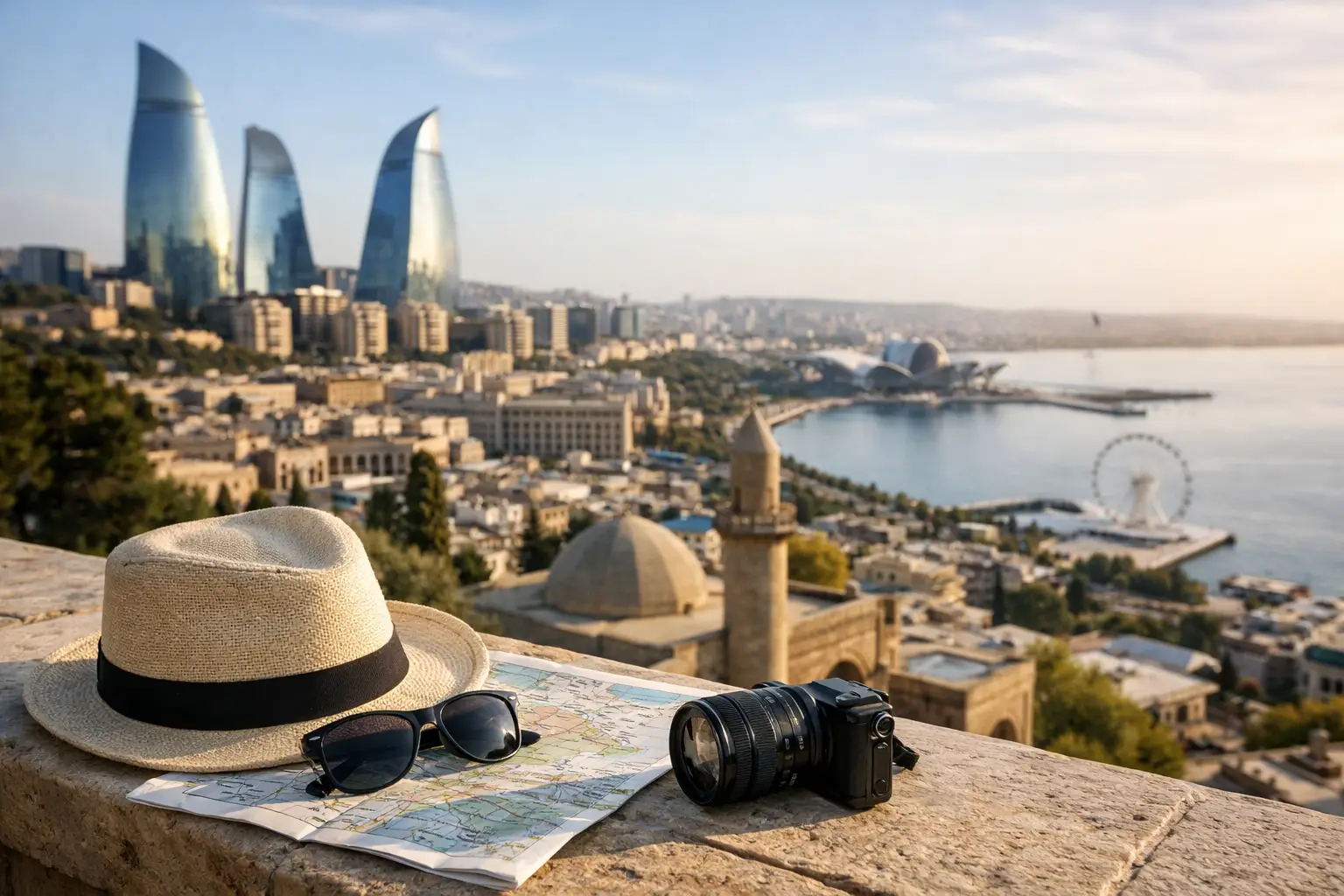
Baku can surprise first-time travelers in the first hour. One minute you are passing sleek towers and polished boulevards, and the next you are inside a stone-walled old city with narrow lanes, caravanserai courtyards, and tea houses. That contrast is exactly why a good Baku first time visitor guide matters – the city is easy to enjoy, but much easier when you understand how its neighborhoods, transport, timing, and day trips fit together.
Baku first time visitor guide: start with the city layout
The simplest way to understand Baku is to think of it in layers. Icherisheher, the Old City, is the historic core with major landmarks like the Maiden Tower and Shirvanshahs’ Palace. Around it, central Baku opens into broad streets, shopping areas, museums, and the seaside boulevard. Farther out, the city becomes more residential and modern, with newer districts, malls, and fast roads leading toward the Absheron Peninsula.
For most first-time visitors, staying in or near the city center makes the trip smoother. You can walk to many major sights, reach restaurants easily, and avoid spending too much time in traffic. If your priority is atmosphere, the Old City is memorable. If you want easier access for cars, larger hotels, and a more modern feel, the downtown areas around Fountain Square, Nizami Street, or the Boulevard often work better.
This is one of those decisions where it depends on your travel style. The Old City looks beautiful and feels special, but some properties are smaller and streets can be less convenient with luggage. Modern central hotels are usually more practical, especially for families or travelers planning several day tours.
How many days do you need in Baku?
Three days is a comfortable starting point. That gives you enough time to see central Baku properly, enjoy the waterfront and main cultural sites, and take one day trip outside the city. If you only have one or two days, focus on Baku itself and choose just one excursion, such as Gobustan and mud volcanoes or Absheron highlights.
If Azerbaijan is your main trip rather than a quick stop, Baku works best as the beginning of a wider itinerary. Many travelers spend two or three nights here, then continue to places like Gabala, Sheki, Shamakhi, Guba, or Qusar. That balance helps because Baku shows you the country’s urban energy, while the regions give you mountains, villages, nature, and a different pace.
Getting around without wasting time
Baku is more manageable than many first-time visitors expect. The central area is walkable, especially around the Old City, Fountain Square, and the Boulevard. For longer distances, taxis are common and generally affordable compared with many major US or European cities.
The trade-off is traffic. At busy times, driving across the city can take much longer than it looks on a map. That matters when you are planning museums, restaurant bookings, or evening views at Highland Park. It is one reason many visitors prefer private transport for day trips and airport transfers. Having a driver or local guide removes the guesswork, especially if you are arriving late, traveling with children, or trying to combine several stops in one day.
The metro is useful for some routes, but most first-time visitors rely more on walking and cars. If you are comfortable with independent travel, that can work well in central Baku. If you want less coordination stress, pre-arranged transport is often worth it.
What to see on your first visit
Start with Icherisheher. It is not just a checklist area – it is where Baku’s older identity is easiest to feel. Give yourself time to wander instead of rushing from monument to monument. The stone architecture, small courtyards, and elevated viewpoints are part of the experience.
After that, move outward to modern Baku. The Boulevard along the Caspian Sea is one of the city’s easiest places to enjoy a relaxed walk, especially in the evening. Nearby, you can pair parks, museums, shopping streets, and waterfront views without needing a rigid schedule.
Highland Park is especially worth planning around sunset. The view over the bay, the Flame Towers, and the city lights helps you understand Baku’s scale. If you want a first trip that feels balanced, combine history in the morning, central city strolling in the afternoon, and Highland Park in the evening.
Depending on your interests, you may also want time for the Heydar Aliyev Center, carpet and cultural museums, or more contemporary dining and nightlife. Families usually appreciate open spaces along the waterfront, while couples often prefer a slower day split between the Old City, cafés, and evening city views.
Food, tea, and what first-timers should try
Baku is a very comfortable city for food-focused travelers. Azerbaijani cuisine is hearty, social, and easier to enjoy when you order a few different dishes rather than sticking to one main plate per person. Plov, kebabs, dolma, qutab, and fresh salads are common starting points, and tea culture is part of the rhythm of the day.
For first-time visitors, the best approach is to mix traditional meals with more modern spots in the city center. Baku has both. You can have a classic local lunch in one part of town and a polished rooftop dinner later the same day. That range is part of the city’s appeal.
If you have dietary restrictions, planning helps. Vegetarian travelers can eat well, but menus are often more naturally meat-forward. Families with children usually find plenty of familiar options in central areas and hotels, so meals do not have to feel difficult.
Money, language, and practical comfort
The local currency is the Azerbaijani manat. Card payments are common in many hotels, restaurants, and larger businesses, but carrying some cash is still smart for smaller purchases, taxis in certain situations, or places outside central Baku.
English is spoken in many tourist-facing places, though not everywhere. That is usually not a problem in the city center, but the further you go from standard tourist settings, the more useful it becomes to have local support or at least key information written down. This is one reason travelers booking from abroad often prefer a local operator who can assist quickly if plans change.
Baku is generally comfortable for visitors, with modern hotels, broad dining options, and a strong sense of public activity in central areas. As in any capital, basic travel awareness matters. Keep an eye on your belongings, confirm transport clearly, and avoid overloading your schedule on the first day, especially after a long international flight.
The best day trips for a first visit
A strong Baku first time visitor guide should not stop at the city itself, because some of Azerbaijan’s most memorable places are easy to reach from Baku. The right day trip depends on what kind of traveler you are.
Gobustan and the mud volcanoes are among the most popular because they add something completely different to your city stay. You get prehistoric rock art, unusual landscapes, and a sense of the country’s natural character within a relatively manageable day.
Absheron Peninsula trips are another smart choice for first-timers. Fire-related heritage sites and coastal points of interest help explain why Azerbaijan is often associated with natural gas, flames, and ancient traditions linked to fire worship.
If you have more time and do not mind a longer day or a multi-day plan, mountain and regional routes toward Gabala, Shamakhi, Sheki, Guba, or Qusar show a very different side of the country. These are usually better when organized well, because distances, road timing, and stop planning make a big difference. That is where a company like Tours in Azerbaijan can be especially helpful – not just for transport, but for building a route that fits your pace instead of forcing too much into one day.
Common mistakes first-time visitors make
The biggest mistake is assuming Baku is only a one-day city. You can see the headline sights quickly, but the city is much more enjoyable when you leave space for walking, tea breaks, waterfront time, and one evening built around views and dinner.
The second mistake is underestimating travel times. On paper, several attractions may look close enough to combine easily. In reality, traffic, parking, and waiting can stretch the day. Keep your daily plan realistic.
Another common issue is trying to plan all regional travel independently without understanding the distances. Some travelers can do this comfortably, but many end up spending more energy on logistics than on the experience itself. If you want a relaxed trip, private planning and local coordination are often the better value.
When to visit and what to pack
Spring and fall are usually the easiest seasons for a first trip. The weather is more comfortable for walking, and day trips are generally pleasant. Summer can be lively and appealing, especially by the sea, but the heat may make midday sightseeing less comfortable. Winter is quieter in some ways, though it can work well if you plan to combine Baku with skiing areas in the country.
Pack for variety. Comfortable walking shoes matter more than most first-time visitors expect because the trip often includes old stone streets, seafront walks, and hilly viewpoints. Layers are useful too, since coastal wind can make temperatures feel different from what the forecast suggests.
A first trip to Baku usually goes best when you treat the city as both a destination and a starting point. Give it enough time, stay central, keep your plans realistic, and let the city introduce you to the wider country rather than trying to rush past it.